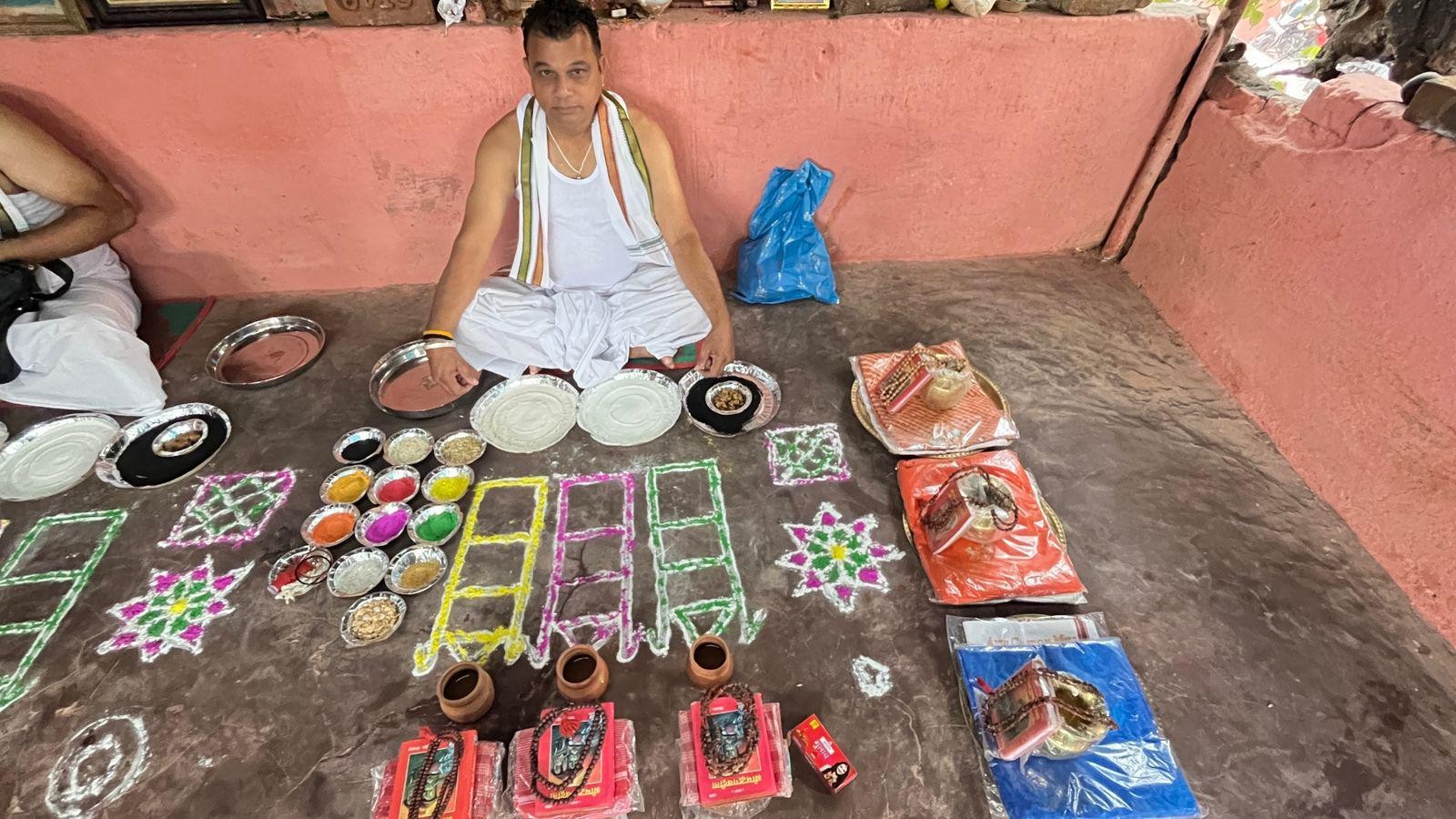
Tarpan is an important part of Hindu ancestral rituals and is often performed alongside Pind Daan in Gaya Ji. The word "Tarpan" means offering water with devotion to satisfy and honor departed ancestors. It reflects gratitude, remembrance, and respect for previous generations.
During the ceremony, devotees offer water mixed with black sesame seeds while sacred Vedic mantras are chanted by experienced priests. According to Hindu traditions, these offerings symbolize prayers for the peace, satisfaction, and spiritual well-being of departed souls.
In Gaya Ji, Tarpan is commonly performed at sacred places such as the Falgu River before or during the Pind Daan ceremony. The combination of Tarpan, Pind Daan, and Shraddh is believed to complete the ancestral rites according to long-standing Vedic traditions.
Many families choose Pind Daan Puja Gaya Ji to understand the proper sequence of rituals and receive guidance from experienced pandits. Whether it is a first-time pilgrimage or an annual Shraddh ceremony, proper guidance helps devotees perform every ritual with confidence and devotion.
While the rituals follow ancient traditions, their true purpose remains timeless—to express gratitude, preserve family heritage, and pray for the eternal peace of one's ancestors. For generations, Tarpan has remained an essential spiritual practice that strengthens the bond between the living and their forefathers.